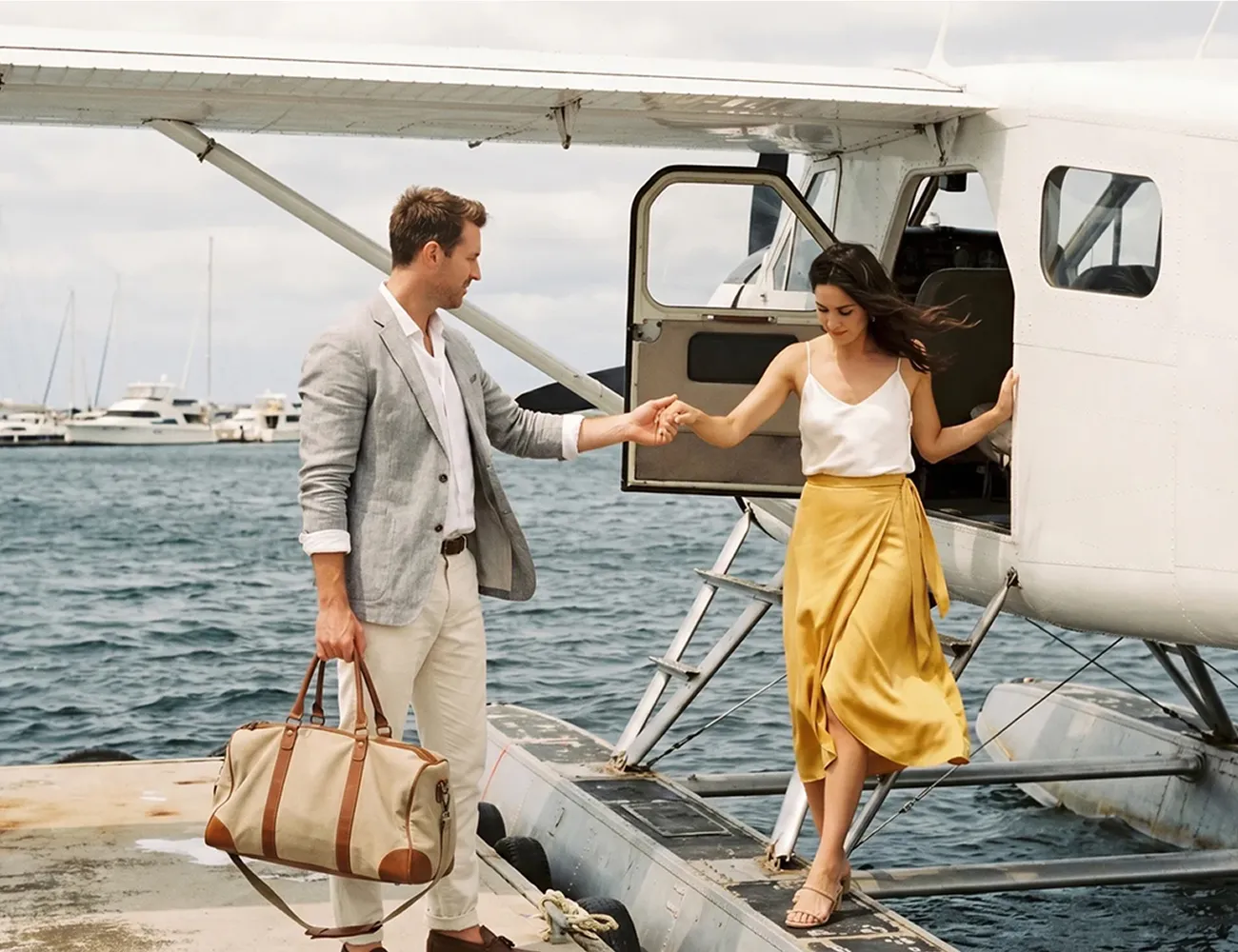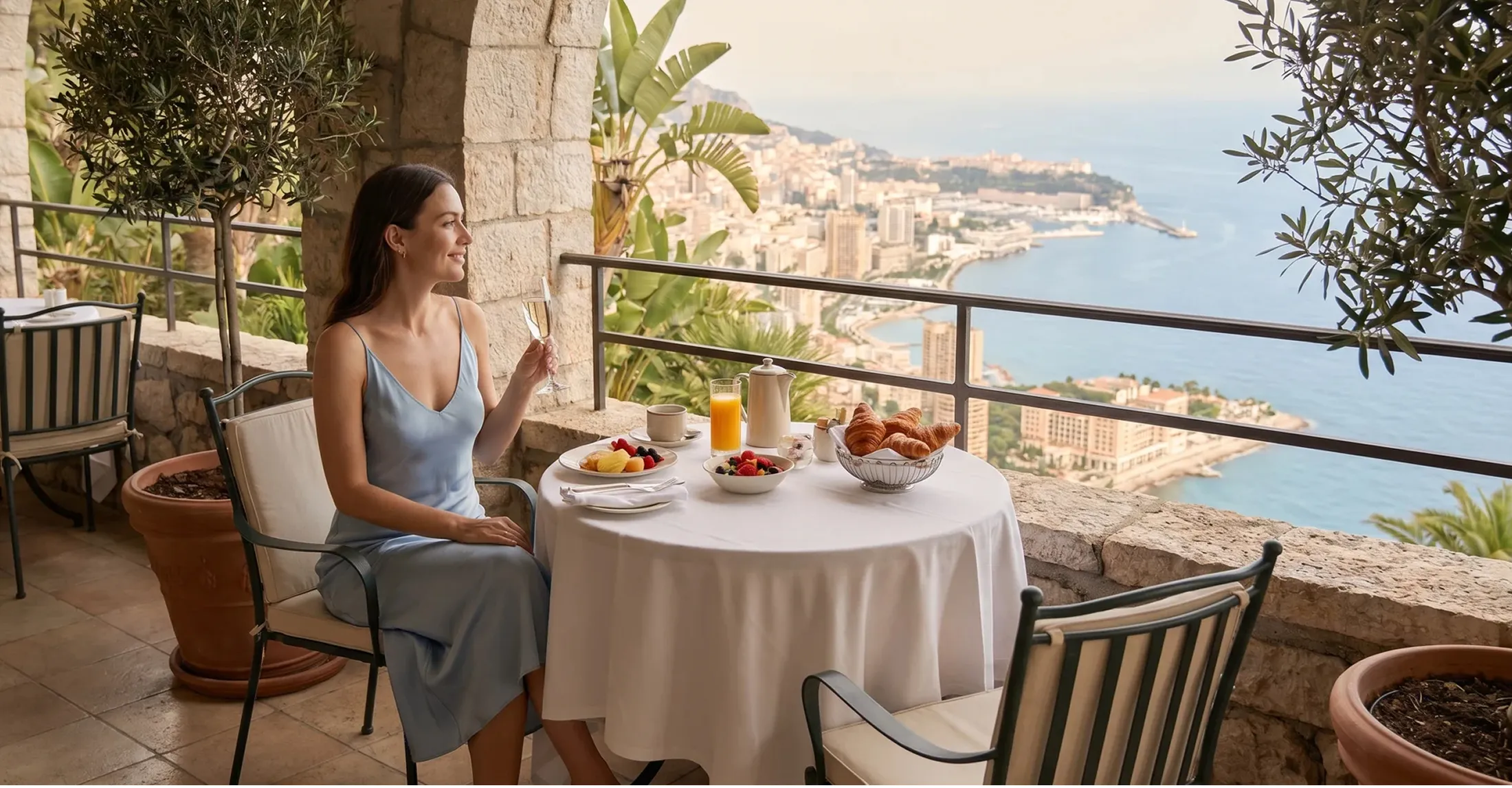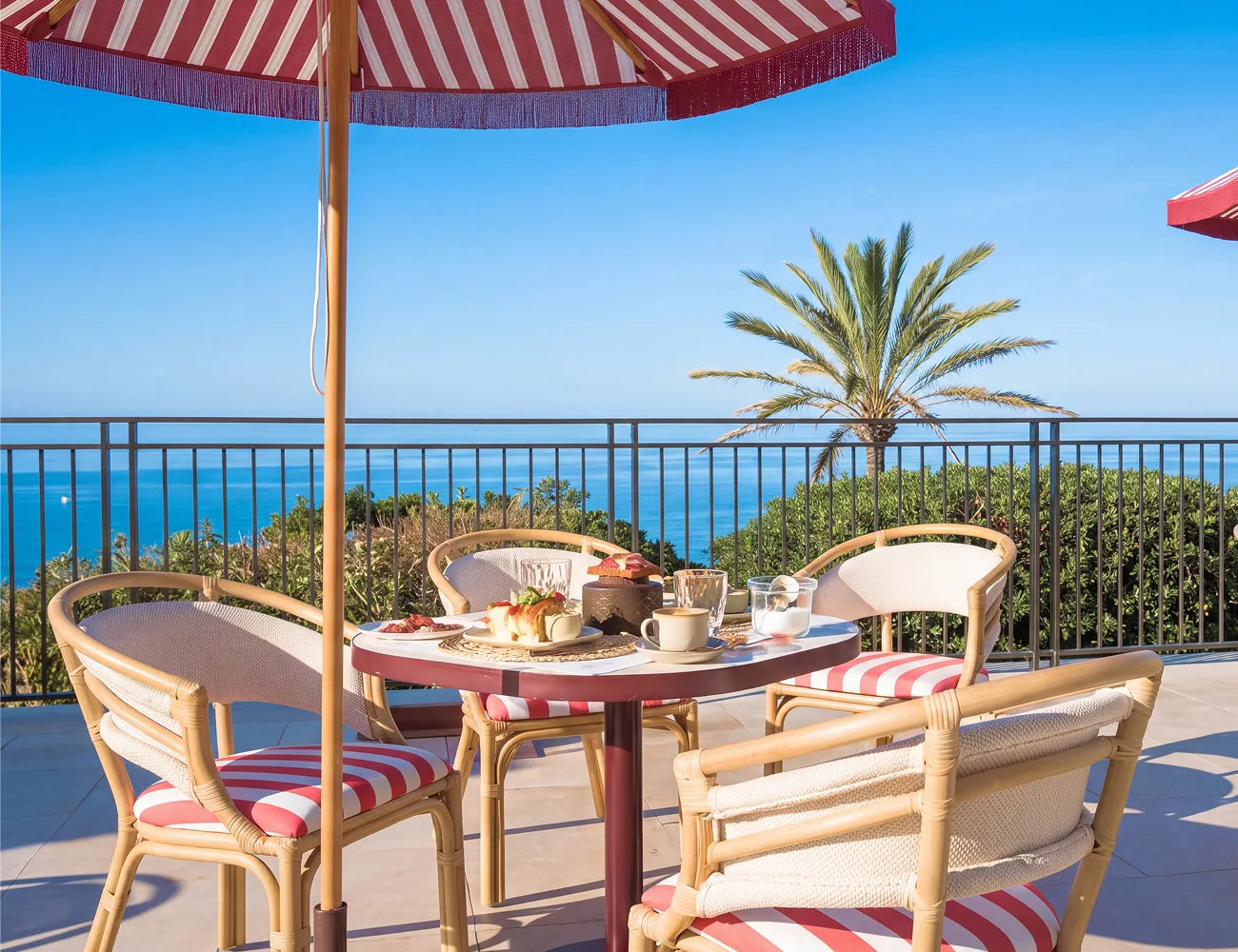
Luxury fashion has undergone significant transformations over the decades, reflecting cultural shifts and technological advancements.
Luxury fashion is not just about clothing; it embodies a lifestyle, a statement of identity, and a reflection of societal values. Over the years, the industry has evolved dramatically, influenced by various factors including globalization, digital innovation, and changing consumer preferences. From the opulent designs of the early 20th century to the minimalist aesthetics of today, luxury fashion continues to adapt and redefine itself.
In the 1920s, fashion houses like Chanel and Dior revolutionized women's wear, introducing styles that emphasized comfort and elegance. The post-war era saw a return to extravagance, with designers like Balenciaga and Givenchy pushing the boundaries of creativity. As we moved into the late 20th century, the rise of streetwear began to challenge traditional notions of luxury, blending high fashion with everyday wear.
Today, sustainability has become a crucial aspect of luxury fashion. Brands are increasingly focusing on ethical production methods and eco-friendly materials, responding to a growing demand for transparency and responsibility. This shift not only reflects changing consumer values but also sets a new standard for the industry as a whole.
As we look to the future, the intersection of technology and fashion is poised to create even more exciting developments. From virtual fashion shows to the use of artificial intelligence in design, the possibilities are endless. Luxury fashion will continue to evolve, embracing innovation while honoring its rich heritage.